Registrations for the current batch are closed. Interested in joining the next batch?

Live online · Weekends · Three months

Strong Game Design Foundations for Beginners

Being a great game designer is about much more than just designing games.

It’s about love.

For the medium. For the craft. For the players. Being a game designer is something only crazy people would even attempt in this day and age. And being a great one requires a baffling mix of things - passion, imagination, hunger, intelligence, curiosity, courage - I could go on for hours.

I'm interested

For absolute beginners, and for designers just starting out in the industry. Sessions are on weekends, so you can take part alongside work or college.

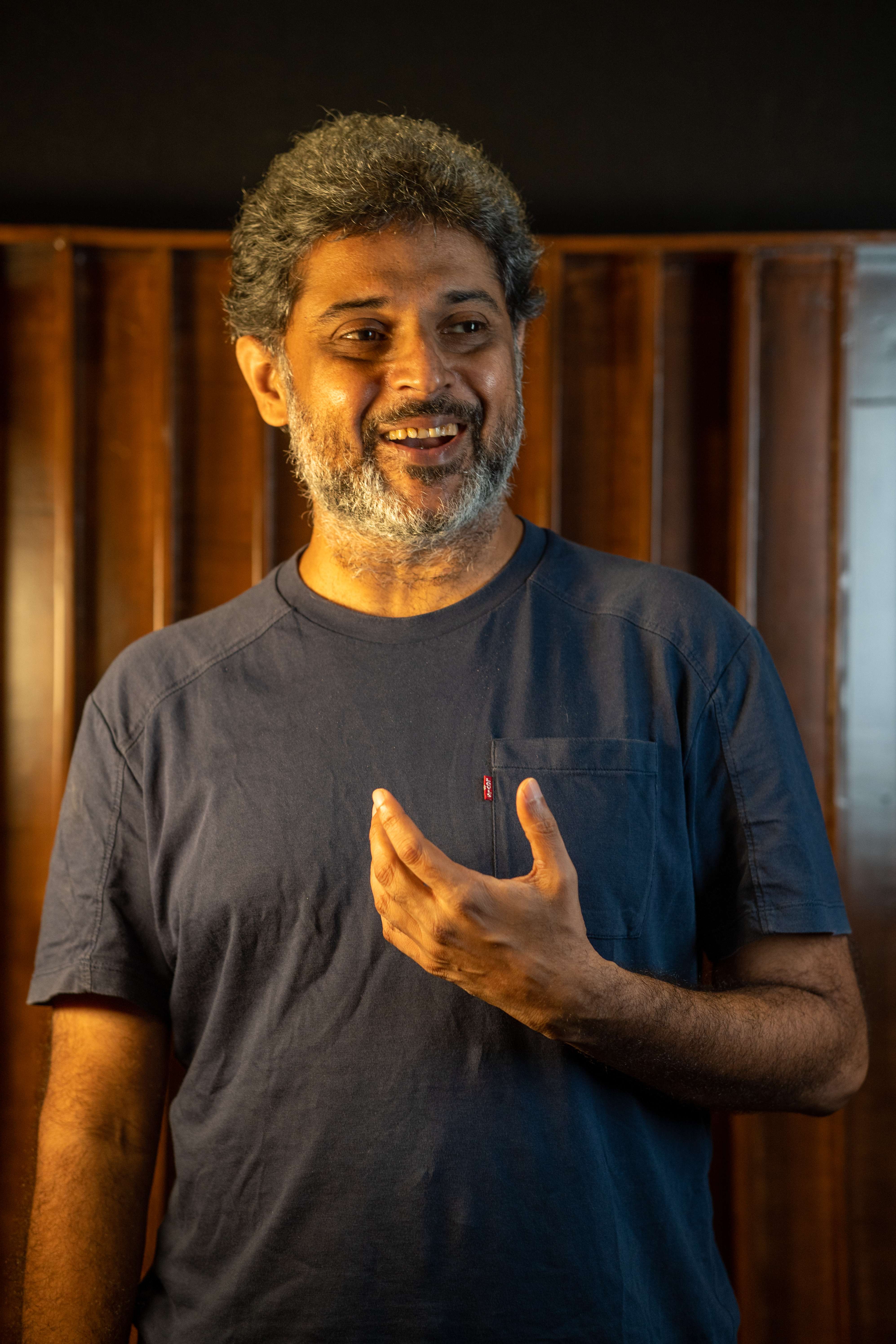
Anand Ramachandran
Your mentor. Anand Ramachandran.20+ years making games. Plenty of lessons to share.

Why this programme

The complete foundational course.
Build the mindset, habits and skills that will shape you as a designer.

In my long career mentoring game designers, many of whom have gone on to have incredibly successful careers, I’ve noticed that the greatest amongst them aren’t always the ones with the greatest technical skills or analytical intelligence. They’re invariably the ones with the best attitude. Attitude lays the foundation on top of which skills are built. Great skills with a poor attitude leads to mediocre, and often frustrated, designers who struggle to achieve their genuine potential.

I put together this foundational course to help beginners avoid the pitfalls I’ve seen far too many designers fall victim to. It’s a three month programme that looks at giving aspiring game designers a set of tools and practices that help them build the right attitude. Outlook and habits - before going on to build the necessary technical skills. It’s a combination of techniques, exercises, and practices I’ve developed over a decades long design leadership career, that, for the first time, I’m now offering to students.

The format

Three months, on weekends20 modules taught through live online group sessions.
Private mentoringOne session each month to discuss your goals, review your work, and get help with anything you’re struggling with.
Practical exercisesApply what you learn between classes and build a small playable game.
Private Discord communityAsk questions, share unfinished work, exchange feedback, and playtest each other’s games.
Self-study resourcesLearn the technical fundamentals at your own pace.

Registrations for the current batch are closed. Leave your details below and I'll let you know when the next batch opens.

The curriculum

20 modules over three months.

Open any module for its purpose, what we’ll work on, the exercise, and what you’ll get.

Month 1Ambition, habits, communication, and creative practice

01

What makes a truly great game designer?

Being good is a starting point. Aim higher.

A powerful emotional experience. A new way to play together. Something new technology makes possible. We’ll explore what you want to create, why it matters to you, and how that ambition can guide your design.

Purpose, exercise, and what you’ll get
Purpose
Raise your ambitions as a designer and turn them into a clear vision that guides design decisions.
What we’ll work on
Craft as the foundation; the distinction between greatness and commercial success; questioning conventions and thinking from first principles; combining and improving existing ideas to serve a vision; and keeping conviction while testing and revising your approach. Why a feature list, a cosmetic twist, or polish alone falls short of that ambition.
Exercise
Discuss games you consider great and explain what they make possible for players. Write a short vision for something you want to create. Choose familiar elements you could adapt or combine, explain how they serve that vision, and identify a tempting feature you would leave out. Revisit the vision during prototyping and the final review.
What you’ll get
A higher standard for your own work and a practical way to turn ambition into design choices—a foundation for pursuing distinctive, meaningful work throughout your career.
02

How designers communicate

Bad communication makes everything harder.

You can have a good idea and still make a complete mess of explaining it. We’ll work on getting your point across, disagreeing without making it personal, and taking feedback without immediately defending yourself.

Purpose, exercise, and what you’ll get
Purpose
Help designers discuss ideas positively and honestly, without dismissing the work or attacking the person.
What we’ll work on
Listening; asking clarifying questions; identifying both strengths and weaknesses; separating yourself from your idea; giving specific feedback and receiving it constructively.
Exercise
Review an idea, name what works and what concerns you, and suggest a way forward. Practise receiving the same feedback and explaining what you would change.
What you’ll get
Simple communication tools and techniques you can use throughout your career as a designer—a solid foundation for sharing ideas, working with others, and handling feedback.
03

The game designer’s mindset

Curiosity is a habit. So is shooting everything down.

Truly great designers ask questions, try unfamiliar things, and see possibilities in ideas. We’ll look at the habits that help you do that, and the ones that get in your way.

Purpose, exercise, and what you’ll get
Purpose
Develop curiosity, optimism, open-mindedness, creativity, and a love for the craft.
What we’ll work on
Asking questions; exploring unfamiliar games and ideas; learning beyond games; noticing assumptions; recognising habits that help or block creative work.
Exercise
Try an unfamiliar game or activity, record what surprised you, and discuss how it could influence a design. Choose a habit to practise during the programme.
What you’ll get
Practical habits for staying curious, questioning your assumptions, and exploring unfamiliar ideas—a foundation for creative thinking throughout your career as a designer.
04

Building your game design vocabulary

Get precise about what makes a game work.

Emergence. Affordances. Dominant strategies. Cognitive load. We’ll unpack these through examples from games, so you can describe what’s happening, explain your design decisions, and follow discussions without getting lost in the jargon.

Purpose, exercise, and what you’ll get
Purpose
Understand the ideas behind game design terminology and use them to think and communicate more clearly about games.
What we’ll work on
Common terms such as mechanics, core loops, progression, economies, onboarding, and playtesting, alongside more complex ones such as emergence, affordances, dominant strategies, and cognitive load. Connect each term to examples from games.
Exercise
Break down a familiar game using relevant basic and more complex terms, then explain the same ideas in plain English. Suggest a design change and explain your reasoning. Add the useful terms and examples to your own glossary.
What you’ll get
A working vocabulary for analysing games, explaining your design decisions, and contributing confidently to design discussions—a foundation you can keep building on throughout your career.
05

What kind of game designer could you be?

See the work behind the job titles.

Designing a tense fight, a branching conversation, and a balanced economy involve different questions. We’ll explore different kinds of games and the design work behind them, so you can see where your interests might lead.

Purpose, exercise, and what you’ll get
Purpose
Get a practical overview of game types and design specialisations, and understand what the work involves.
What we’ll work on
Game genres, platforms, and single-player or multiplayer experiences; what systems, narrative, combat, level, economy, and UX designers work on; examples of their tasks and outputs; and how responsibilities overlap or vary between teams.
Exercise
Compare contrasting games. Pick a feature in each, identify the design decisions behind it, and discuss which specialisations would contribute. Choose an area you’d like to explore further.
What you’ll get
A clear map of the different paths in game design, a better understanding of the work behind job titles, and a starting point for choosing what to learn next.
06

How to teach yourself game design

Know where to look, what to practise, and how to keep getting better.

Knowing how to keep learning is part of the job. We’ll look at useful resources and turn what you read, watch, and play into practice, so you can keep growing long after this programme ends.

Purpose, exercise, and what you’ll get
Purpose
Learn to direct your own learning: identify a gap, choose a useful resource, and put what you learn to work.
What we’ll work on
What you can learn independently, including design fundamentals, how games are made, team roles, and design specialisations. Choosing useful books, talks, and courses; checking the author, context, and age of advice; learning from games you play; and turning a learning goal into a small exercise or prototype.
Exercise
Choose something you want to get better at. Pick a relevant resource, try its ideas in a small design exercise, and explain what you learned to a peer. Decide what to practise next and where feedback would help.
What you’ll get
A practical learning process and a focused set of resources to help you fill gaps, build new skills, and take charge of your growth as a designer throughout your career.
Suggested starting points
Ian Schreiber’s Game Design Concepts for foundations and exercises; MIT OpenCourseWare’s Creating Video Games for the development process and project work; Game Maker’s Toolkit for video-based design analysis.
07

Finding the Fun

Turn simple objectives and rules into something people want to play.

Give someone a coin and a cup. What would make them want another go? We’ll get to the core of game design by changing the objective and rules, playing, and seeing what makes the experience more enjoyable.

Purpose, exercise, and what you’ll get
Purpose
Learn how objectives and rules shape the player’s choices and experience, and how to improve that experience through play.
What we’ll work on
What makes something a game. Objectives: what is the player trying to achieve? Rules: what can they do, and what gets in their way? How choices, challenge, uncertainty, and feedback shape play. Player motivations, experience, playing circumstances, and accessibility—and why their idea of fun might differ from yours.
Exercise
Start with a coin and a cup, or tic-tac-toe. Define the objective and rules, play, then change an objective or rule and test again. Compare what different players did and enjoyed, notice what helps or prevents participation, and explain which changes you would keep.
What you’ll get
A practical foundation for designing enjoyable games: turning ideas into objectives and rules, testing them with players, and improving the experience through deliberate changes.
08

Understanding games as systems

Change one rule. Watch what else changes.

Make a weapon cheaper. Does it change what players buy, how they fight, or what they stop using? We’ll learn to trace those connections and see how rules, resources, and player behaviour shape the whole game.

Purpose, exercise, and what you’ll get
Purpose
Learn to break a game into connected parts and reason about how a change in one part affects the rest.
What we’ll work on
Choosing what to include in a system map; players, objects, goals, rules, resources, and changing states; relationships and resource flows; feedback loops that amplify or counteract change; incentives, trade-offs, and unexpected behaviour that emerges from interacting rules.
Exercise
Map a simple game with boxes and arrows. Trace a player action through the rules and resources, then change a rule or value. Predict the knock-on effects, playtest, and compare what happened with your prediction.
What you’ll get
A systems-thinking toolkit for analysing games, spotting unintended consequences, and making changes with an understanding of how the whole experience fits together.
09

The designer’s thought process

Slow down. You might be solving the wrong problem.

You’re given a problem and immediately start coming up with ideas. But what do you actually know about the people, the constraints, and the problem itself? We’ll practise asking those questions before getting attached to a solution.

Purpose, exercise, and what you’ll get
Purpose
Build a design-thinking habit: understand the problem, the people, and the constraints before deciding what to make.
What we’ll work on
Separating facts from assumptions; asking useful questions; understanding what people actually need; identifying constraints and checking which ones you’ve simply assumed; and defining or reframing the problem before choosing a solution.
Exercise
Work through a live design challenge, then revisit your first response. Discuss which assumptions you made, what you needed to find out, and how the constraints changed your approach.
What you’ll get
A practical design-thinking process for questioning a brief, uncovering constraints, and defining what needs solving—so you can make more deliberate decisions from the start.
10

Rescuing a ridiculous idea

Find what’s worth keeping before you tear an idea apart.

Some ideas sound ridiculous the moment you hear them. We’ll practise looking for the interesting part, building on each other’s suggestions, and turning an unlikely starting point into something worth trying.

Purpose, exercise, and what you’ll get
Purpose
Learn to brainstorm constructively and develop a workable idea with other people.
What we’ll work on
Exploring before judging; spotting possibilities in weak ideas; building on other people’s contributions; disagreeing usefully; and introducing constraints without losing what made the idea interesting.
Exercise
Start with an apparently impossible idea. Develop it together, then introduce practical constraints and find a version you could test. Explain how the group’s contributions changed the result.
What you’ll get
A practical approach to collaborative creativity: develop possibilities, improve other people’s ideas, and help a team move forward when the starting point is rough.

Month 2Applying judgement and testing work

11

Big ideas, practical decisions

Keep the ambition. Work out what to build first.

An idea can grow faster than your time, team, or budget. We’ll practise choosing what matters, cutting what can wait, and making a small version that answers a useful design question.

Purpose, exercise, and what you’ll get
Purpose
Make clear design decisions under constraints and turn an ambitious idea into something small enough to test.
What we’ll work on
Clarifying the brief; identifying constraints; choosing the question a prototype should answer; prioritising; cutting scope; choosing between imperfect options; and knowing when to ask for help.
Exercise
Return to the vision you wrote in the opening module and write a brief for a small playable version. Explain what you kept, what you cut, what you hope to learn, and how the prototype will help you find out.
What you’ll get
The judgement to protect an idea’s intent while making realistic choices about scope, priorities, and what to test next.
12

Analytics in plain English

Understand what players are doing—and what the numbers leave out.

A dashboard is only useful if you know what you’re looking for. We’ll connect numbers to design questions, use everyday examples, and practise spotting the difference between evidence and a confident guess.

Purpose, exercise, and what you’ll get
Purpose
Use data to investigate player behaviour and decide what deserves closer attention.
What we’ll work on
Completion, retention, session length, and conversion: what they describe, when they help, and when they distract. Looking at what players do, where they stop, and whether they return; choosing a relevant measure; and recognising what numbers cannot explain on their own.
Exercise
Read a clearly labelled fictional dataset. Choose a design question, identify a useful measure, and explain what the data shows, what remains unknown, and what you would investigate next.
What you’ll get
The confidence to read basic game analytics, ask useful questions, and use evidence in design decisions without pretending the numbers tell the whole story.
13

Using AI without outsourcing your judgement

Explore ideas and write clearer design documents. Keep thinking for yourself.

AI can produce a convincing answer before you’ve decided what you actually need. We’ll use it to explore alternatives and develop a design document, then question the output and make the decisions ourselves.

Purpose, exercise, and what you’ll get
Purpose
Write a design someone else can build, and use AI to support ideation and documentation while keeping ownership of design decisions.
What we’ll work on
Clear rules, changing states, edge cases, simple diagrams, and expected behaviour. Keeping documents concise and useful with or without AI. Giving AI useful context; generating and comparing alternatives; reviewing generic ideas and invented claims; protecting confidential work; and recognising tasks where AI should be avoided.
Exercise
Write the core rules and expected behaviour yourself. Use AI to explore the small-game brief and develop the document. Ask a peer to explain how it would work without extra verbal guidance. Resolve gaps, revise weak or unsupported content, and record what you accepted, changed, or rejected from AI. Explain your final decisions in your own words.
What you’ll get
A practical way to use AI while staying in charge of the design—with clearer ideas, documentation others can build from, and the judgement to recognise poor output.
14

From design document to playable prototype

Build a small game with AI—and check that it does what you intended.

A design document can sound convincing and still leave the real questions unanswered. We’ll use AI to build the core interaction, play it, and check whether the result matches the intended experience.

Purpose, exercise, and what you’ll get
Purpose
Turn the design document into a small playable game that tests a specific design question.
What we’ll work on
Choosing a simple tool; breaking the work into manageable requests; testing generated behaviour; spotting differences between the build and the brief; and dealing with common AI pitfalls.
Exercise
Set up the tools before the session. Build the core interaction from the previous module, play it, and check the rules. Revise anything that behaves differently from the brief, and explain what the prototype can and cannot demonstrate.
What you’ll get
The ability to take a small design from written intent to something playable, test its behaviour, and judge its limits without handing design responsibility to a tool.
15

Playtesting: let the players surprise you

Watch what happens when you stop explaining your game.

You know how your game is supposed to work. A player arrives without that explanation. We’ll practise watching closely, resisting the urge to help, and using what happens to make the design better.

Purpose, exercise, and what you’ll get
Purpose
Put the earlier design and feedback skills into practice by using player behaviour to guide and test specific improvements.
What we’ll work on
Choosing a test question and players who reflect the intended audience; observing without coaching; asking neutral questions; separating what players did from what they said; noticing barriers to understanding or participation; and deciding which changes matter most.
Exercise
Test prototypes with peers and, where possible, people from the intended audience. Record what happens and where the test group may miss that audience’s needs. Choose a change supported by the observations, revise the game, and test again. Explain the before and after, and continue this cycle during the final month.
What you’ll get
A repeatable playtesting habit: gather useful evidence, choose changes you can explain, and check whether they actually improve the experience.

Month 3Working life and personal direction

16

Working with PMs, engineers, and everyone else

Get your ideas heard. Understand what the rest of the team needs.

A product manager challenges the goal. An engineer says it will take too long. Your favourite idea gets dropped. We’ll work through these situations and practise turning disagreement into a useful next step.

Purpose, exercise, and what you’ll get
Purpose
Handle everyday collaboration and disagreement in a game studio while keeping the work moving.
What we’ll work on
Working with product managers and engineers; understanding their goals and constraints; communicating clearly; explaining trade-offs; responding to rejected ideas and changing priorities; and raising blockers early.
Exercise
Role-play a design review where a product manager questions the goal and an engineer challenges the scope. Ask questions, explain the trade-offs, and agree on a practical next step.
What you’ll get
Practical ways to explain your reasoning, work through disagreement, and make progress with a team even when your idea doesn’t get picked.
17

Working in games in India

Know what you’re walking into—and what to ask before you say yes.

A job title can tell you very little about the work you’ll actually do. We’ll discuss finding a role, working on free-to-play games, and building a career, with room for the awkward questions.

Purpose, exercise, and what you’ll get
Purpose
Build realistic expectations about starting and developing a game-design career in India.
What we’ll work on
Lessons from industry experience about finding work, free-to-play projects, expectations in junior roles, and career pitfalls. Compare those lessons with current hiring conditions and recognise where the context has changed.
Exercise
Review current job descriptions or anonymised workplace situations. Identify what a junior designer would actually do, what is unclear, and what to ask before accepting the role.
What you’ll get
A more informed way to judge opportunities, recognise warning signs, and ask questions that help you choose work that supports your development.
18

Handling pressure without losing yourself

Protect your confidence while learning from difficult feedback.

A rejected idea or a bad appraisal can feel like a judgement on you. We’ll make room for the emotional side of design work and talk through ways to respond, recover, and ask for support.

Purpose, exercise, and what you’ll get
Purpose
Develop practical ways to handle pressure and feedback while recognising your strengths, limits, and support needs. This is a mentoring session, not therapy.
What we’ll work on
Pressure; imposter feelings; criticism of your ideas; difficult appraisals; separating feedback on work from personal worth; and knowing when to ask for support.
Exercise
Discuss a fictional difficult review. Separate the comments about the work, the emotional response, and possible next steps. Make a personal plan for seeking support. Sharing personal experiences is optional.
What you’ll get
A practical way to respond to difficult moments, choose a constructive next step, and seek support while continuing to grow as a designer.
19

The biggest mistakes I made

The decisions, the fallout, and what changed afterwards.

It’s easy to offer advice after the outcome is obvious. In this session, I’ll share real situations from my career, including the decisions I’d now make differently. You’ll make your own call before hearing what happened.

Purpose, exercise, and what you’ll get
Purpose
Learn from real failures and difficult decisions, including the reasoning, blind spots, and consequences behind them.
What we’ll work on
The situation, what was known at the time, the decision and its consequences, what was missed, and how the experience changed my thinking.
Exercise
Consider a real situation from my career before the outcome is revealed. Explain what you would do and why, then compare your reasoning with what happened and identify a lesson for your own work.
What you’ll get
A sharper eye for avoidable mistakes and a way to examine your own decisions honestly, informed by lessons from real design work.
20

Show your work. Decide what comes next.

Turn feedback into a plan for your next stage as a designer.

Your prototype, design notes, and revisions tell a story about how you work. We’ll review them together, identify where you’ve grown, and decide what deserves your attention next.

Purpose, exercise, and what you’ll get
Purpose
Review how your work and habits have developed, recognise strengths and gaps, and choose what to practise next.
What we’ll work on
Explaining decisions; showing revisions; receiving peer feedback; recognising changes in your design habits; and setting realistic next steps.
Exercise
Present your small game, design document, and changes made after testing. Explain how your choices served your opening vision, where AI helped, where your own judgement mattered, and how feedback affected the work. Use the discussion to draft your next learning goals.
What you’ll get
A clear account of your progress, honest feedback on your strengths and gaps, and a personal learning plan to refine in your final mentoring session.

Support between modules

Private mentoring

Use the proposed monthly sessions to discuss personal goals, review progress, and work through anything you’re stuck on. The final session brings together feedback and a plan for what to do next.

Discord

Share unfinished work, ask questions, exchange playtests, and give useful feedback. Rotate partners so you learn from different people. Mentor replies happen during agreed weekday windows.

Independent learning

Use the resource lists to study textbook material at your own pace. Try what you learn, then bring the questions, examples, and unfinished work that would benefit from discussion to the live sessions.

A bit about me

I've learned a lot.
I'd like to pass it on.

I'm Anand Ramachandran. I've spent over 20 years making games, including at Zynga, Hitwicket, and Hike. I've taught at NID, Srishti, and SRM.

I've learned from successes, failures, and some wonderful people. I'd like to pass those lessons on.

More about my work ↗

From designers I've mentored

These reflect earlier mentoring, rather than this new programme.

“Anand was devoted to the growth and development of a solid design craft within the company. His steadfast and frank leadership gave rise to an entire generation of designers, myself among them, who have delivered great and successful games across the industry.”

Yashas BharadwajDesign Director, Blizzard Entertainment · Excerpt

“Anand was the mentor I needed at that point in my career. When I was still trying to find my footing as a game designer, he brought the right mix of guidance, patience, and challenge that helped me grow with confidence and clarity.”

Rahul PradhanDirector of Design, Electronic Arts · Excerpt